Renting in Tennoji, Osaka
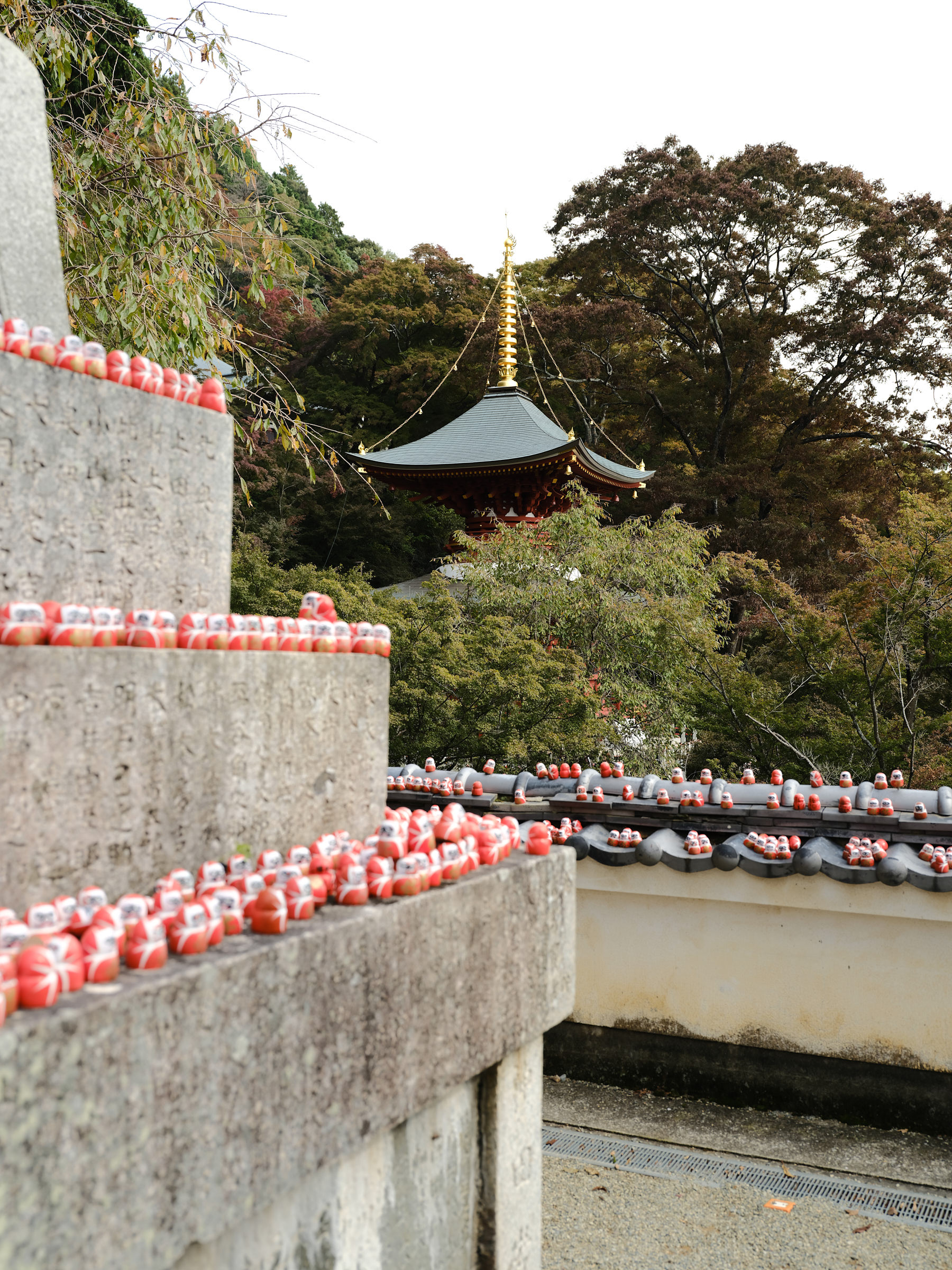

Tennoji doesn't try to be fashionable. It doesn't need to. While Osaka's northern districts compete for the title of most international, most polished, most newly developed, Tennoji sits in the south with the quiet confidence of a neighborhood that has always worked — for the people who actually live here, not for the people passing through.
For foreigners serious about building a life in Osaka rather than performing one, Tennoji deserves more attention than it typically gets in the standard expat apartment hunting conversation. It is one of the city's great transit hubs, one of its most authentically multi-layered urban zones, and consistently one of the best-value areas for the quality of central access it provides. It is also a market with specific characteristics that reward local knowledge and create avoidable friction for those navigating it without it.
This guide covers what Tennoji is actually like as a place to live, how the rental market works for foreign residents, where the complexity lies, and how to approach your search intelligently.
"Tennoji" as a residential concept extends well beyond the train station itself. The broader zone that foreign residents typically consider when they search for an apartment here encompasses several distinct neighborhoods:
Tennoji-ku (天王寺区): The administrative ward centered on the station and its immediate residential catchment. A mix of commercial streets close to the station, transitioning into quieter residential pockets as you move east toward Uehonmachi and south toward the Shitennoji temple grounds.
Abeno-ku (阿倍野区): Directly south and southwest of Tennoji station, Abeno has its own residential character — denser in some corridors, more family-oriented in others. The Abeno Harukas tower (Japan's tallest building for several years) defines the skyline here and has catalyzed significant commercial and residential development in its immediate vicinity.
Namba-Tennoji corridor: The stretch between Namba and Tennoji along the Midosuji line is one of the most transit-dense in Osaka. Several stations — Daikokucho, Dobutsuen-mae, Shin-Imamiya — sit in this corridor and form part of the broader Tennoji residential search zone, offering lower price points with still-reasonable transit access.
Understanding which of these sub-areas you're actually looking at when you see "Tennoji area" on a listing matters more than most foreign renters initially appreciate. The differences in character, price, and practical livability between them are meaningful.
Tennoji station is one of Osaka's three major transit hubs alongside Umeda and Namba, and in some respects it exceeds them in terms of raw connectivity. From a single station (or the adjacent Osaka-Abenobashi station on the Kintetsu network), you can access:
This transit density is genuinely unusual. Tennoji residents can reach Kyoto Station in under 40 minutes on the JR Biwako Rapid, Nara in 35 minutes on the Yamatoji Rapid, and both Umeda and Namba within 10–12 minutes on the Midosuji. For someone whose work or life involves significant movement across the Kansai region, Tennoji's transit position is arguably better than Namba's.
Tennoji carries layers that most central Osaka neighborhoods don't. Shitennoji temple — one of the oldest Buddhist temples in Japan, founded in 593 AD according to tradition — sits within walking distance of the station and has shaped the character of the surrounding streets for over a millennium. The Tennoji Zoo, Tennoji Park, and the Osaka City Museum of Fine Arts cluster in the green zone between the station and the temple, creating an unusual amount of open space for a central urban area.
The Tsutenkaku tower in Shinsekai — the retro entertainment district that sits between Tennoji and the Dobutsuen-mae area — adds another layer of character that is entirely Osaka's own. Shinsekai is not a theme park recreation of old Osaka; it's a working neighborhood that has simply not changed at the pace of other parts of the city, and for residents who appreciate authenticity over polish, it's one of the more interesting places to be a short walk from home.
Tennoji also has a genuinely good dining scene that flies under the radar because it lacks the Instagram presence of Namba or the food media coverage of Fukushima. The concentration of everyday restaurants, family-run izakayas, specialist food shops, and neighborhood coffee spots around Tennoji and Abeno is excellent — built for people who live here, not for people who visit.
Tennoji is consistently one of the better-value areas in central Osaka for renters who are willing to accept a neighborhood that hasn't been recently gentrified. As of early 2026, realistic monthly rents for foreign-accessible units run approximately:
1K / 1DK (20–35 sqm):
1LDK / 2K (35–55 sqm):
2LDK (55–75 sqm):
These ranges reflect the price gradient that runs through the area. The station itself and the immediately adjacent blocks carry the highest premiums; value increases meaningfully as you move south toward Abeno proper or east toward the Shitennoji-Yuhigaoka area, without losing meaningful transit access.
The Tennoji zone has a wide spread of building types, and matching your expectations to what's actually available matters.
Newer developments around Abeno Harukas: The commercial redevelopment of the Abeno area has brought a cluster of newer mid-rise and tower mansion units to this part of the city. These tend to be the easiest entry points for foreign renters — professionally managed, guaranteed company compatible, modern specifications. They are also, predictably, at the top of the local price range.
Mid-vintage mansions (1990s–2010s): The dominant building type across the broader zone. These concrete mid-rises vary significantly in renovation status — some have received full interior updates and offer genuine value; others show their age internally while the structure is sound. Unit condition and building maintenance quality require direct assessment rather than reliance on listing photos.
Older apato and smaller buildings: Scattered through the residential streets east and south of the station, these wood-frame or light-steel two-to-three-story buildings offer the lowest rents in the area. They come with well-understood trade-offs in insulation and soundproofing, and some carry stricter landlord profiles regarding foreign tenants.
Tower mansions: Tennoji has a genuine tower mansion supply, partly from the Abeno Harukas-era development wave and partly from older towers that have been part of the area's skyline since the late 1990s. For buyers and renters seeking this building type, the value proposition here is stronger than in equivalent northern Osaka zones. Our dedicated guide to tower mansions in Osaka covers this segment in detail.
Tennoji's foreigner-friendliness is not as simple as "yes" or "no." The area has a significant international and multicultural resident population — partly due to its proximity to the Korean community concentrated around Tsuruhashi (one stop east on the Loop Line), partly due to the general diversity that comes with being a major transit hub, and partly due to historical factors in the southern Osaka urban character.
In practical terms, this means the area has property managers with genuine experience handling foreign tenant applications. But it also means that attitudes vary considerably between individual buildings and management companies, and that the informal screening criteria some older buildings apply are less predictable than in the more standardized foreigner-facing rental market around Namba or Shinsaibashi.
The specific friction points foreign renters encounter in Tennoji:
The Nishinari proximity factor: Tennoji borders Nishinari-ku to the southwest, and some landlords and management companies in the area apply blanket geographic caution that doesn't reflect the actual rental quality of specific buildings. Several excellent-value, perfectly safe apartment buildings sit within walking distance of Tennoji station in streets that would face zero hesitation from management in a different ward. Understanding which properties are genuinely affected by this versus which are simply adjacent to it on a map requires ground-level knowledge that listings don't provide. Our honest guide to wards and safety in Osaka addresses this topic directly.
Smaller management companies: A higher proportion of buildings in the Tennoji zone — compared to Fukushima or the Namba station immediate vicinity — are managed by small, family-run agencies with limited experience processing foreign tenant applications. This doesn't automatically mean rejection, but it does mean the application process is less standardized and benefits from broker support that can present your file compellingly.
Income documentation thresholds: Several management companies in the area apply income thresholds that differ from national standards, reflecting local market expectations. Foreign residents with non-standard income (remote workers, business owners, investors) need clear documentation strategies before submitting applications.
Guarantor companies (hoshō gaisha) are the standard solution for foreign tenants without a Japanese personal guarantor, and most buildings in the Tennoji zone that accept foreign applicants work with at least one or two commercial guarantor companies. The challenge, as elsewhere in Osaka's rental market, is compatibility between your specific profile and the guarantor company the management accepts.
Tennoji's mid-range price bracket — predominantly ¥70,000–¥130,000/month units — corresponds to a tier of guarantor company scrutiny that is meaningful but not extreme. Short-term visa holders, including working holiday visa applicants, face the standard challenges. Self-employed applicants need clean income documentation. These are navigable with the right approach.
For a thorough explanation of how guarantor companies work and which profiles face specific friction, our guide to guarantor companies in Japan is the most complete resource on this.
Japan's rental upfront cost structure applies uniformly across Tennoji, with some zone-specific patterns worth noting:
For a ¥85,000/month apartment in the Tennoji area, realistic total move-in costs run ¥300,000–¥450,000. Our full breakdown of initial costs when moving to Japan explains each component in detail.
Tennoji attracts a noticeably different demographic mix from the tourist-facing districts of Namba and Shinsaibashi. The area's international resident population includes a significant proportion of families, long-term residents, and people who chose Osaka as a genuine home rather than a temporary posting. Korean-Japanese, Chinese-Japanese, and newer arrivals from Southeast Asia and the West have settled here across multiple generations, and the resulting cultural texture is evident in the food, the commercial streets, and the general social character of the neighborhoods.
For foreign residents arriving in Osaka, this mix can be genuinely reassuring. Tennoji is one of the few central Osaka areas where being a non-Japanese resident is simply unremarkable — because it always has been.
For foreigners relocating with children, Tennoji's educational infrastructure is worth noting. The ward contains a range of public schools, access to the international school networks operating in Osaka (typically requiring a commute but well-served by the transit connections), and a general family-friendliness that the quieter residential streets east of the station support well.
The combination of Tennoji Park, the zoo, and the open green spaces around Shitennoji makes the area more livable for families than the density of the station vicinity might suggest.
The practical infrastructure around Tennoji is excellent. The Q's Mall commercial complex attached to Abeno Harukas provides comprehensive retail and supermarket access. The Tennoji Mio shopping complex at the station adds further daily convenience. Beyond the station complexes, the residential streets are served by the usual density of Japanese neighborhood infrastructure — supermarkets, pharmacies, clinics, post offices, and a variety of food retail that doesn't require navigating a mall.
The Tsuruhashi area — one stop east — adds the specific resource of Osaka's largest Korean market, one of the best everyday food and ingredient markets in the city, accessible in minutes.
Travel times from Tennoji to the rest of Osaka's key destinations:
The Haruka Express connection deserves particular mention for foreigners who travel internationally frequently. Direct, no-transfer access to Kansai Airport in 30 minutes is a practical advantage that residents don't always think to value until they've made a few early-morning departures from the northern part of the city.
For foreigners mapping their options across the city, here's an honest comparison:
vs. Namba: Namba has more tourist-facing infrastructure and a higher concentration of foreigner-friendly management companies in its immediate vicinity. Tennoji has better transit diversity (more lines, direct airport access), stronger value per square meter, and more authentic neighborhood character. For residents rather than short-stay tenants, Tennoji often wins on quality of life over pure convenience metrics.
vs. Tanimachi / Morinomiya: The Tanimachi corridor to the north shares Tennoji's transit backbone (the Tanimachi line connects them directly) and has a similar residential character. Tanimachi tends to attract a slightly higher proportion of owner-occupiers and long-term tenants; Tennoji has more price diversity. Our guide to finding an apartment in Tanimachi covers that area in full for comparison.
vs. Umeda: Umeda is Osaka's business and premium retail center. It's the right base for people whose professional and social life is concentrated in the north. Tennoji is the right base for people who want maximum Kansai access (Nara, Kyoto, the airport) at lower cost. The two serve different lifestyles.
vs. Shin-Imamiya / Dobutsuen-mae: The immediate vicinity of these stations, bordering Nishinari-ku, offers the lowest rents in the broader zone. The quality of the residential experience varies considerably block by block, and selection here benefits more from specific building knowledge than anywhere else in the Tennoji zone. These areas aren't to be avoided categorically — but they require careful navigation.
For a full overview of how Osaka's neighborhoods rank for foreign residents, our guide to the best neighborhoods in Osaka for expats and the broader ward-by-ward overview give the complete picture.
Tennoji's rental market rewards knowing which specific buildings are actually accessible to your profile before you invest time and application fees in the process. The area's mix of building types, management company attitudes, and sub-zone price variation means that the gap between what appears on SUUMO and what's realistically available to a foreign applicant is wider here than in more standardized parts of the market.
Maido Estate's Room Finder service handles the search on your behalf. You share your criteria — budget, preferred sub-area within the Tennoji zone, unit size, timeline, visa situation, lease length requirements — and we search across public platforms and our direct management company network to identify the options that genuinely work for your profile.
Every property in your shortlist has been pre-assessed: guarantor compatibility confirmed, landlord stance verified, total move-in cost calculated including key money and management fee structure. You receive a curated selection with honest context, not a raw listing dump.
For clients with specific requirements — families needing certain school proximity, professionals with non-standard income documentation, working holiday visa holders facing the standard lease length challenges — the Room Finder is designed precisely for situations where the standard search process is likely to generate friction.
Read more about how the service works end-to-end: Osaka Room Finder — How Maido Estate Searches for the Right Apartment on Your Behalf.
Yes — the residential areas around Tennoji station and through Abeno are genuinely safe by any international standard. The proximity to Nishinari-ku creates a perception issue that doesn't reflect the reality of living in the specific residential pockets most foreign renters target. Our ward safety guide addresses this directly with honest, specific assessment rather than vague reassurance.
Yes, with the right building selection. The key is identifying which management companies in the area work with commercial guarantor companies compatible with your visa type and income situation — not simply which buildings say "foreigners welcome" in the listing. The distinction matters more here than in some other areas.
Furnished inventory in Tennoji is limited relative to the tourist-facing districts, in keeping with the area's orientation toward longer-term residents. Short-term furnished options exist but require active search — they don't surface reliably through standard platforms. If this is a requirement, it's worth flagging at the outset of your search.
The working holiday visa challenge is consistent across Osaka regardless of neighborhood — it's a guarantor company compatibility issue, not a location issue. Tennoji's price range actually makes it one of the more viable zones for working holiday visa holders, since lower base rents reduce the income threshold scrutiny. Our complete guide to renting on a working holiday visa in Osaka maps out the specific dynamics.
If Tennoji is on your shortlist — whether you're drawn by the transit access, the value, the cultural character, or the Kansai region connectivity — the starting point is understanding what's realistically available for your profile and budget in this specific zone.
Maido Estate works in Tennoji regularly and knows the building-level detail that makes the difference between a successful application and a frustrating process. Reach out to start the conversation — no pressure, no commitment, just an honest picture of what's possible and what to prepare for.
Maido Estate is a licensed real estate agency based in Osaka, Japan, specializing in helping foreign nationals rent, buy, and invest in Japanese property. We operate across the Kansai region in English, French, and Japanese.


