Where Do Osaka's Rich People Actually Live?
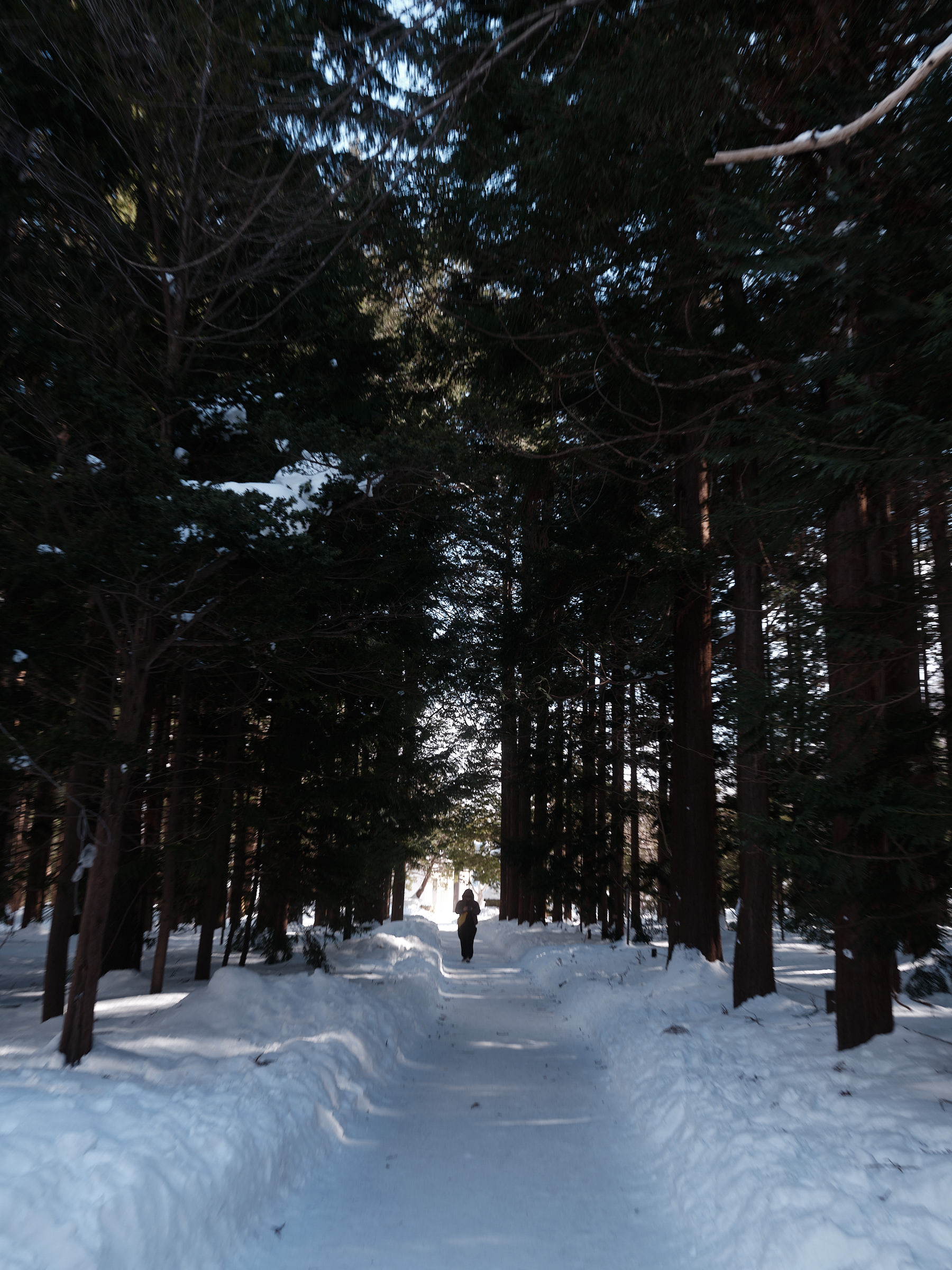

A ground-level guide to Kansai's most exclusive addresses — and what they mean for foreign buyers entering the premium market.
Ask most people where Japan's billionaires live, and they'll say Tokyo. Minami-Azabu, Daikanyama, Shoto in Shibuya — these names carry the kind of cultural weight that filters into the international press. But Osaka has always played by different rules.
The Kansai region has its own business aristocracy, rooted in centuries of merchant culture. The shonin tradition — the merchant class that built Osaka into Japan's commercial capital during the Edo period — left a lasting imprint on how wealth is displayed here. Or rather, how it isn't displayed. Osaka's ultra-wealthy have long favored discretion over spectacle, understated architecture over glass towers, residential neighborhoods removed from the noise of the city rather than penthouses above it.
This matters enormously if you're a foreign national — whether a high-net-worth individual, a family relocating for business, or an investor looking at the premium end of the Kansai market. The geography of wealth in Osaka is genuinely different from what most international buyers expect when they arrive. Understanding where Osaka's elite actually live, and why, is the first step toward making informed decisions in a market that rewards local knowledge above almost anything else.
If you've been researching luxury real estate in Osaka, you've probably encountered a mix of high-rise tower mansions and vague references to "premium areas." This article goes deeper — into the specific neighborhoods, the types of properties involved, the families who occupy them, and what all of this means practically for someone entering this market from outside Japan.
Ashiya sits between Kobe and Osaka — technically in Hyogo Prefecture, not Osaka itself — but no serious conversation about Kansai's elite residential market can begin anywhere else. If Osaka has a Beverly Hills, Ashiya is it, and has been for generations.
Land prices in Ashiya consistently rank among the highest in Japan outside central Tokyo, but that comparison is almost misleading. This is not the vertical density of Minami-Azabu. Ashiya is defined by wide, quiet streets, mature trees, walled properties with proper gardens, and a near-total absence of anything resembling commercial activity on its most coveted streets. The residential tranquility here is not incidental — it is the product of deliberate, decades-long land use planning and a landowner class that has fiercely protected it.
The neighborhoods within Ashiya that matter most to the ultra-wealthy are concentrated in the hillside zones: the slopes approaching the Rokko mountain range, where the combination of elevation, greenery, and views over Osaka Bay creates an environment that has no real equivalent in central Osaka. Properties here tend to be large by any Japanese standard — 300 to 800 square meters of floor space is not unusual for serious estates — and they come with the kind of garden design, gate structures, and architectural pedigree that signal generational wealth in Japan.
The most important thing to understand about Ashiya is that almost none of it reaches the open market. Properties change hands through family succession, private introductions, and broker networks that operate on trust built over decades. When something does become available, word tends not to travel far before it's resolved. The concept of a publicly listed luxury villa in the best streets of Ashiya is, in practice, almost nonexistent.
For foreign buyers: Ashiya is accessible in principle — there are no legal restrictions on foreign ownership — but it is extremely challenging in practice. Discretion, patience, and the right professional relationships are not optional. They are the entire mechanism through which this market operates.
Just east of Ashiya along the Hanshin corridor lies Nishinomiya, and within it, the Shukugawa district — another address that carries enormous weight among Japan's established wealthy families. Shukugawa's defining feature is the river of the same name, lined with hundreds of cherry trees, with large traditional residences set back along its banks.
If Ashiya represents the apex of Kansai prestige in terms of land value, Shukugawa represents its closest cultural equivalent in terms of social atmosphere. The families who have lived here for generations — executives from the major Kansai trading houses, pharmaceutical dynasties, brewing families — occupy a world with its own rhythms, its own networks, and its own quietly enforced norms.
Nishinomiya more broadly (including the areas around Koshien and the northern hillside zones) has seen increased interest from new-money wealth over the past decade: successful entrepreneurs, senior executives at international companies, and a growing number of Japanese nationals who made significant money in technology or finance and want the Kansai lifestyle without relocating to central Osaka. This has gently diversified the profile of buyers, while leaving the core of the market — the waterfront streets, the most established roads — firmly in the hands of families who have been there for a long time.
The Senri area of northern Osaka, spanning parts of Toyonaka and Suita cities, occupies a particular niche in the geography of Kansai wealth. Developed in the 1960s as Japan's first large-scale planned residential new town, Senri has aged into something quite different from what its modernist planners imagined: a mature, densely treed residential zone closely associated with academics, doctors, senior researchers, and the kind of professional wealth that accumulates over careers at Osaka University, major hospitals, and the corporate headquarters clustered along the Midosuji corridor.
The prestige here is quieter than Ashiya, less tied to land values and more to the quality of the community and the lifestyle it enables. Proximity to Expo Memorial Park, excellent schools, and the practical access to both Osaka City and Kobe make this area particularly attractive to families. It is not uncommon to find properties here that have housed three generations of the same academic or medical family.
For foreign nationals, Toyonaka and the Senri zone are notably more accessible than Ashiya or Shukugawa — not least because the housing stock includes a wider range of property types, and because the community has more experience with international residents linked to the universities and research institutions in the area.
Minoo (or Mino, written 箕面) sits at the northern edge of Osaka Prefecture, where the city begins to give way to the forested slopes of the Kansai mountains. The area is famous for its waterfall, its autumn foliage, and its deeply established residential neighborhoods.
Among Osaka's ultra-wealthy, Minoo has a specific appeal that is almost impossible to find elsewhere: large plots, genuine privacy, natural surroundings, and a quality of air and quiet that central Osaka simply cannot offer. The properties in Minoo's most prestigious streets are often architecturally distinguished — custom-built homes by significant Japanese architects, with gardens designed as extensions of the landscape rather than decorative afterthoughts.
This is a market driven almost entirely by long-term residents and family succession. Commercial property listings for high-end Minoo real estate are rare; when they appear, they are typically handled by local brokers with deep relationships in the area. Foreign buyers are not unheard of — Minoo has an established small community of long-term international residents — but this is not a market that reveals itself easily to newcomers without proper introductions.
Nakanoshima is Osaka's most ambitious ongoing urban transformation: a long island between the Dojima and Tosabori rivers in central Osaka, traditionally home to city hall, the Bank of Japan Osaka branch, and the Museum of Oriental Ceramics. Over the past decade it has been remade into something rather different — a district of luxury hotels, art institutions, and high-end residential development that positions itself as Osaka's answer to the Marunouchi-Roppongi axis of upscale urban living.
The Nakanoshima Festival Tower West — one of the towers at the western end of the island — contains some of the most expensive residential floors in Osaka, with unobstructed views over the river confluence and the city skyline. The residents here are not the same demographic as Ashiya: this is where you find senior executives of international companies, successful entrepreneurs who want the convenience of city living without compromising on quality, and a growing number of foreign nationals who have built serious careers or investment portfolios in Japan.
Nakanoshima represents a different model of Osaka luxury — urban, contemporary, connected — and it is correspondingly more accessible than the residential suburbs. But "more accessible" is relative. The entry price is substantial, competition among qualified buyers is real, and the management structures of these buildings come with their own layers of approval and vetting.
For a detailed look at the tower mansion market specifically, our article on tower mansions in Osaka covers the essential context around ownership structures, management fees, and what foreign buyers need to understand before entering this segment.
Beyond Nakanoshima, central Osaka has several pockets of premium high-rise living that attract a mix of wealthy domestic buyers and international residents. The tower mansions of Shinsaibashi and Namba cater to a cosmopolitan profile: successful professionals, international business owners, and families who want proximity to Osaka's commercial and cultural core. Areas around Tennoji — particularly the upper floors of Abeno Harukas-adjacent buildings — offer spectacular views and a different kind of urban prestige.
Umeda and the surrounding Kita ward has also seen significant luxury development, with several high-specification towers positioned for buyers who prioritize access to the Shinkansen, international airports, and Osaka's business district simultaneously.
The key distinction between urban tower mansions and suburban estate living is less about absolute price and more about lifestyle philosophy. The Ashiya or Minoo buyer typically has family, garden, and privacy at the center of their requirements. The Nakanoshima or Shinsaibashi buyer prioritizes accessibility, contemporaneity, and the particular status that comes with a recognized urban address.
For foreign nationals, urban tower mansions are generally the more navigable entry point into Osaka's premium market — not because they are less prestigious, but because the processes around purchasing are slightly more standardized, professional management companies are more experienced with international buyers, and the market dynamics are somewhat more transparent. Our guide to buying premium property and penthouses in Osaka explores this segment in detail.
The range of properties occupied by Kansai's wealthiest residents is wider than most international buyers realize, and understanding this range is important for calibrating expectations.
Detached estates (一戸建て, ikkodate) in Ashiya, Shukugawa, or Minoo represent the traditional apex of residential prestige in the region. These are typically custom-built or significantly renovated properties on substantial plots, with full gardens, parking for multiple vehicles, and architectural investment that reflects decades of accumulated taste rather than off-plan standardization. Many were originally built during the postwar economic boom by families who purchased land when Ashiya and Nishinomiya were still relatively affordable — a historical window that is permanently closed.
High-floor tower mansion units in premium Osaka locations represent a different but equally serious market. The top floors of Nakanoshima Festival Tower West, select units in Abeno Harukas-adjacent towers, and the penthouse-level floors of Shinsaibashi and Namba premium buildings attract buyers who combine financial strength with lifestyle preferences centered on city convenience. These units are often larger than the floor plans suggest, with ceiling heights, materials, and finish specifications meaningfully above the standard residential market.
Second properties and investment acquisitions form another category. Kansai's wealthy are not necessarily consolidating all their real estate in a single location. It is not uncommon to encounter buyers with an Ashiya or Nishinomiya family home, a tower mansion floor in central Osaka for weeknight convenience, and one or more income-generating properties in the city — a configuration that reflects both lifestyle optionality and portfolio diversification.
The question of buying property in Japan without a mortgage is particularly relevant at this level of the market. Cash transactions are the norm rather than the exception in Kansai's ultra-premium segment, and sellers of significant properties strongly prefer buyers who can demonstrate the ability to close without financing conditions. This creates a meaningful barrier for buyers who are relying on Japanese bank financing — not because the financing itself is unavailable, but because it introduces timelines and contingencies that discretionary sellers find inconvenient.
Osaka's ultra-high-net-worth community has roots that differ structurally from Tokyo's. Where Tokyo concentrates financial services, media, and technology wealth, Kansai's billionaires tend to emerge from:
Manufacturing and trading dynasties. The great Osaka trading houses and their successor businesses — in chemicals, textiles, machinery, and consumer goods — created family fortunes that have been compounding since the Meiji period. These families are typically discreet to a degree that makes Western billionaire culture look positively exhibitionist. They own Ashiya estates or Nishinomiya properties that have been in the family for generations and have no intention of selling.
Food, beverage, and pharmaceutical industries. Kansai's dominance in food manufacturing (think of the global reach of companies based in Osaka and its surrounds), brewing, and pharmaceuticals has produced a distinct strand of industrial wealth. These are often family businesses that remain closely held across generations, with patriarchs and matriarchs who still actively participate in decision-making.
Retail and distribution. The Kansai region pioneered many of the retail models that came to define Japanese commerce. The families behind some of Japan's most recognized retail brands have significant residential presences in the area.
New economy wealth. Over the past two decades, a younger cohort of technology entrepreneurs, fund managers, and startup founders has entered the Osaka premium market. This group tends to gravitate toward urban tower mansions and Nakanoshima-type addresses rather than suburban estates, and they are more likely to interact with the market in ways that international buyers recognize as familiar — through established brokers, with transparent documentation, and on compressed timelines.
Foreign executives and investors. A meaningful and growing portion of Osaka's premium residential market is occupied by senior executives of international companies with Kansai operations, foreign entrepreneurs who built businesses in Japan, and global investors who have developed a serious attachment to the region. This community tends to be more visible than its Japanese counterpart — more likely to list properties, more willing to discuss transactions, more comfortable with international standards of due diligence.
This is perhaps the most important single thing to understand about Osaka's luxury residential market: the properties you see on Suumo, AtHome, or any Japanese real estate portal are not the market. They are a fraction of the market — the visible tip of something considerably larger and more interesting that operates entirely on the basis of relationships and trust.
In the premium segment, the transaction sequence typically looks quite different from what international buyers are accustomed to. A significant property becomes available through family succession, a business relocation, or a decision to consolidate. The owner — or, more often, the owner's representative — notifies a small number of trusted agents who are known to work with suitable buyers. Those agents make quiet inquiries among their established client base. If there is a match, a private introduction is arranged. The property is never publicly listed; the transaction is concluded, and the only people who know are the parties directly involved.
This dynamic applies at various levels of the luxury market, but it is essentially universal at the top end. The Ashiya estate, the Shukugawa riverside property, the Minoo hillside home that has belonged to the same family for fifty years — these are moved through networks, not portals.
The implication for foreign buyers is significant: without access to those networks, you are, by definition, limited to what the market has chosen to disclose publicly. Which means, in practice, you are looking at the properties that weren't good enough for someone else. Understanding how to search for property in Japan in the conventional sense is necessary but not sufficient at this level.
The legal answer is straightforward: yes. Japan places no restrictions on foreign ownership of real estate. A foreign national can purchase any property — detached estate, tower mansion floor, plot of land — with the same legal rights as a Japanese citizen.
The practical answer is considerably more nuanced.
The primary challenge is not legal but cultural and relational. The networks through which Kansai's premium residential market operates are built on trust relationships developed over decades, often across generations. An international buyer arriving cold — even one with substantial financial capacity — is starting from outside those networks entirely. The question is not whether they can eventually participate, but how long it takes and what mechanisms they use to build credibility.
Several factors can accelerate this process significantly. An established local presence — a genuine business relationship with Japanese counterparts, a track record in the market, a history of transactions conducted professionally — carries considerable weight. Japanese language ability, or the ability to communicate through genuinely trusted bilingual intermediaries, matters at this level in ways it may not in the mid-market. And the manner of approach is critical: arriving with the expectation that premium service looks the same in Kansai as in London or Singapore is a reliable way to close doors that took significant effort to open.
Foreign buyers also need to understand the tax implications for non-residents owning Japanese property — a dimension that is often inadequately explained during the initial purchase enthusiasm and that can produce unpleasant surprises later.
For the growing number of foreign nationals who are seriously considering the Osaka premium market, the comparison with Tokyo often comes up. Our analysis of Osaka versus Tokyo real estate covers the structural differences in depth, but the headline is this: Osaka offers substantially better value per square meter at equivalent quality levels, a market that is less exposed to speculative international capital flows, and a lifestyle quality that many long-term residents — Japanese and foreign alike — actively prefer. The trade-off is that the Osaka premium market rewards patience and local knowledge in ways that Tokyo's more internationalized segment does not demand to the same degree.
At the mid-market level, a real estate broker provides useful services: translation, coordination, paperwork management. In the ultra-premium segment, a broker provides something categorically different: access.
The word "access" here has a specific meaning. It is access to the properties that are not listed publicly, access to the private introductions through which significant properties change hands, and access to the relational capital that allows a transaction to proceed with the trust of all parties rather than the wariness that an unknown international buyer typically generates.
A broker who genuinely operates in this space — who has established relationships with the families, the agents, and the institutions that matter — can compress a process that might otherwise take years into something manageable on a realistic timeline. They can provide honest context about a neighborhood's dynamics, a property's actual history, and the unwritten expectations of a seller that no portal listing would ever disclose.
They can also tell you, critically, when something is not right — when a property that presents beautifully on paper has complications that the marketing materials haven't mentioned, when a neighborhood that sounds prestigious on a map has dynamics that would make it a poor fit for a specific buyer's situation, or when a price that looks attractive reflects something about the property that should be understood before proceeding.
This is the role that Maido Estate plays in the premium and ultra-premium segment: not simply as a transactional facilitator, but as a genuine local partner whose value derives from the depth of knowledge and relationships built over years of operating specifically in this market, specifically with international buyers.
For foreign nationals who are exploring what English-speaking specialist agents can provide in Osaka, the distinction between a generalist portal and a genuinely specialized agency becomes most visible precisely at the premium end of the market — where the stakes are highest, the information is least transparent, and the value of local expertise is most pronounced.
Osaka's geography of wealth is not a secret, but it is also not something that surfaces easily from online research. The neighborhoods that matter most — Ashiya, Shukugawa, Minoo, Nakanoshima — each have their own internal logic, their own character, and their own relationship to the concept of prestige. None of them behave the way a first-time international buyer might expect.
If you are a foreign national seriously considering Osaka's premium residential market, the most productive starting point is not a property search portal. It is an honest conversation about what you are actually looking for, what your profile looks like from the perspective of a Japanese seller or landlord, and what realistic timelines and mechanisms exist for achieving your goals in a market that is, at its core, built on discretion and relationships.
Maido Estate works with a small number of international clients at this level each year — families relocating at the executive level, investors making serious commitments to the Kansai market, and individuals who want to own a piece of Osaka that most foreigners never see. If you are trying to understand what is realistically possible for your situation, and want to avoid the mistakes that typically come from approaching this market without adequate local knowledge, we're happy to have that conversation.
There is no obligation, no sales pressure — just an honest assessment of where you stand and what the path forward actually looks like.
Maido Estate is a licensed real estate agency based in Osaka (大阪府知事(1)第64927号), specializing in helping foreign nationals rent, buy, and invest in Japanese property. We operate across the Kansai region in English, French, and Japanese.


