Is Osaka Friendly to Foreigners? An Honest Assessment of Living as an International Resident
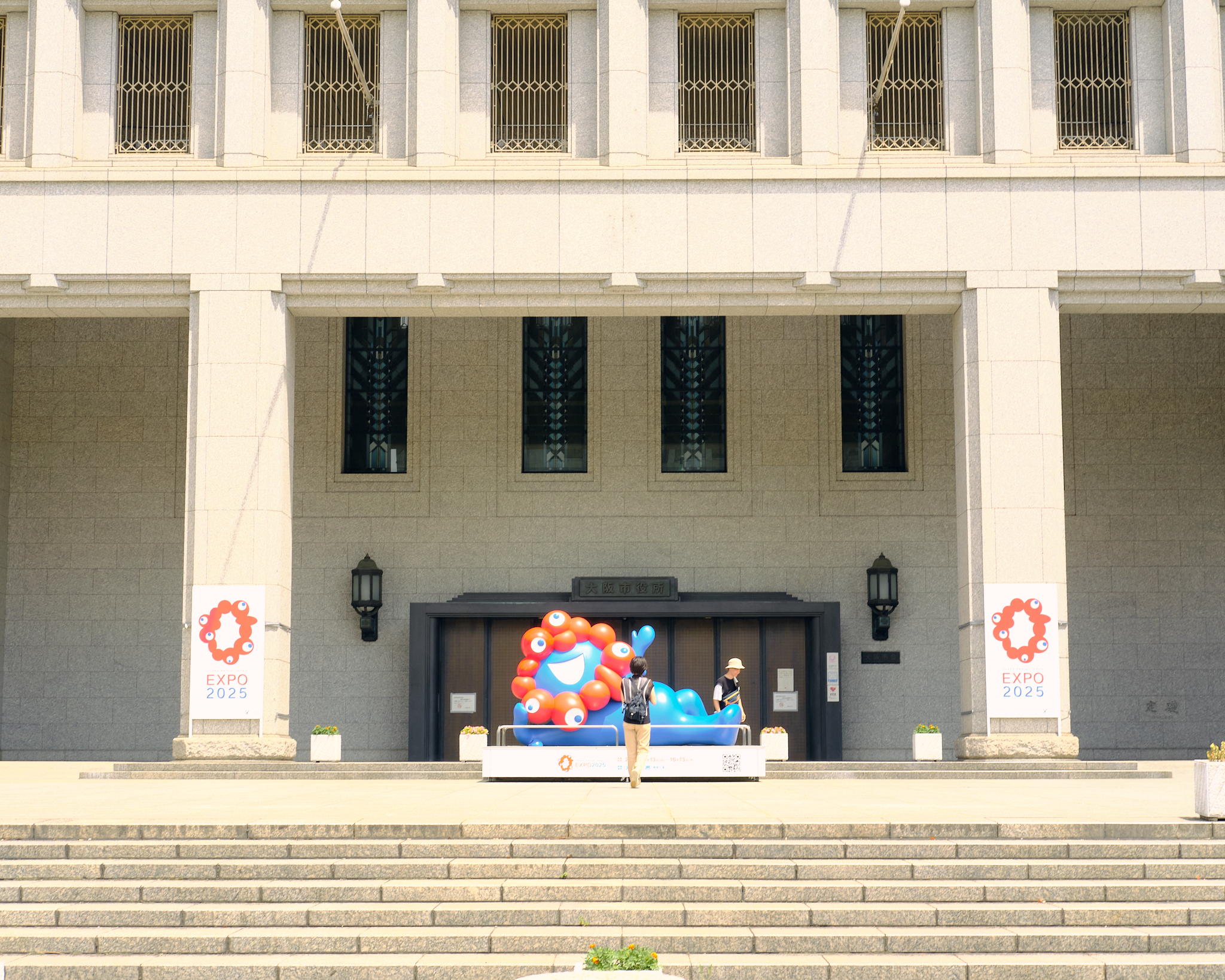

When considering a move to Osaka, one question often dominates early research: "Will I feel welcome here as a foreigner?" It's a question that touches everything—your daily comfort, social integration, ability to navigate practical matters, and ultimately whether Osaka becomes home or merely a place where you temporarily reside.
The short answer is nuanced: Osaka is among Japan's most foreigner-friendly cities, with a warmer, more direct culture than Tokyo and substantial infrastructure supporting international residents. However, "foreigner-friendly" doesn't mean frictionless. You'll encounter language barriers, cultural misunderstandings, and systems that weren't designed with foreign residents in mind. The real question isn't whether Osaka is perfectly accessible to foreigners—it's whether the specific ways Osaka welcomes (and occasionally frustrates) international residents align with your expectations and adaptability.
This guide provides an honest assessment of what "foreigner-friendly" actually means in Osaka, examining daily life realities rather than tourism platitudes, and explaining both where the city excels at supporting international residents and where genuine challenges persist.
Understanding Osaka's cultural personality explains much about how foreigners experience the city compared to elsewhere in Japan.
The Merchant City Heritage
Osaka developed as Japan's commercial heart, where merchants, traders, and business people shaped the city's character over centuries. This mercantile heritage created a culture that values directness, practicality, and openness—traits that differ markedly from Tokyo's more formal, reserved atmosphere.
Traditionally, Tokyo is where you find the politicians and bureaucrats, while Osaka is home to the "merchants." It is less guarded and locals are more direct and welcoming to foreigners. This directness translates to practical advantages for foreign residents: Osakans are more likely to attempt communication despite language barriers, more willing to help lost foreigners navigate the city, less concerned with formality that creates distance, and generally more approachable in daily interactions.
This doesn't mean every Osakan will befriend you immediately or that discrimination doesn't exist. But the baseline cultural openness creates a more accessible environment than many Japanese cities where reserve and formality dominate.
The Food Culture Connection
Osaka is famous worldwide for its street food—takoyaki, okonomiyaki, and kushikatsu, known as Japan's kitchen. This food-centric culture creates natural social bridges. Talking about food, seeking restaurant recommendations, discussing favorite dishes—these conversations open easily with Osakans who take genuine pride in their culinary heritage and enjoy sharing it with curious foreigners.
For international residents, this food culture provides constant opportunities for cultural exchange. Your local takoyaki vendor, the ramen shop owner, the supermarket staff who notice you buying interesting ingredients—food becomes a shared language that transcends verbal communication barriers.
The Humor and Directness
Osakans are known throughout Japan for their sense of humor and straightforward communication style. Where Tokyo residents might maintain polite distance, Osakans are more likely to joke, tease gently, or speak their minds directly. For foreigners from cultures valuing directness (North America, Australia, many European countries), this feels refreshingly familiar. For those from cultures emphasizing indirect communication, it might seem surprisingly casual.
This cultural trait means that when problems arise—communication difficulties, cultural misunderstandings, service issues—Osakans are often more willing to work through them directly rather than maintaining uncomfortable silence or excessive formality that leaves foreigners confused about what went wrong.
One of the most immediate concerns for foreigners is whether they can function in daily life without Japanese fluency.
English Proficiency: The Honest Assessment
Osaka's English proficiency among the general population remains limited, as throughout most of Japan. Don't expect to conduct daily life entirely in English unless you remain within specific international bubbles—expatriate communities, international company environments, English-teaching circles.
However, Osaka International House Foundation offers consultation in various languages (English, Chinese, Korean, Vietnamese, Filipino and Japanese) on administrative matters, and many city services provide multilingual support. The infrastructure exists to help foreigners navigate critical systems even without Japanese fluency.
The practical middle ground most international residents discover: basic Japanese for daily transactions (shopping, ordering food, basic greetings) combined with English-language support services for complex matters (contracts, medical issues, legal questions) allows functional life. You won't need fluency immediately, but actively learning Japanese dramatically improves quality of life within months.
Major Transit Hubs and Tourist Areas
Osaka's main transit stations—Umeda, Namba, Tennoji, Shin-Osaka—increasingly feature English signage, announcements, and staff with basic English capability. Tourist-heavy areas around Dotonbori, Shinsaibashi, and Osaka Castle provide relatively accessible environments where English menus, multilingual staff, and foreigner-familiar businesses concentrate.
If your life revolves around these central areas—living near Umeda, working for international companies in central business districts, primarily socializing in expat-heavy neighborhoods—you can minimize language friction significantly. However, this often means living in more expensive areas and potentially limiting your authentic cultural integration.
Residential Areas and Local Services
Venture into residential neighborhoods—Hirano, Tsuruhashi, Juso—and English support drops dramatically. Your local supermarket won't have English-speaking staff, the neighborhood doctor probably doesn't speak English, the ward office handles administrative matters in Japanese, and your landlord or property management company likely requires Japanese communication.
This isn't hostility—it's simply that these areas weren't designed for international residents. The further you move from central expat-heavy districts, the more Japanese language capability becomes necessary for basic functioning. This creates a trade-off many foreign residents face: afford expensive central apartments with English support, or choose affordable residential neighborhoods requiring language independence.
Translation Technology and Volunteer Support
The good news: technology partially bridges language gaps. Translation apps on smartphones allow basic communication in stores, restaurants, and service situations. Many foreigners successfully navigate appointments, shopping, and daily tasks using Google Translate or similar tools, though it remains awkward and time-consuming.
Additionally, the Information Counter provides information for citizens to become involved in international exchange activities, information to enable foreign residents to live comfortably in Japan and guidance in foreign languages with cooperation of volunteers. These volunteer-supported services help foreigners navigate complex situations—understanding official mail, communicating with landlords, resolving service issues—when language barriers create genuine obstacles.
Osaka's cultural warmth doesn't automatically translate to easy housing access for foreign residents.
The Landlord Acceptance Reality
Many Osakans are personally welcoming to foreigners, yet landlord policies often restrict foreign tenant applications. This isn't necessarily personal discrimination—it reflects concerns about language barriers complicating property management, unfamiliarity with Japanese residential customs creating conflicts, visa status uncertainty affecting lease stability, and practical difficulties pursuing rent collection or damages across international borders if tenants leave Japan suddenly.
The result: cultural friendliness coexists with structural housing obstacles. You might have wonderful interactions with Osakans socially while facing repeated rental application rejections professionally. These aren't contradictory—they reflect different contexts where cultural openness and risk-averse business practices operate independently.
The Support Infrastructure
Where Osaka demonstrates genuine foreigner-friendliness is in the support systems that have developed. Real estate agencies specializing in foreign residents understand the obstacles you face, guarantor companies have adapted to accept international clients, property management companies increasingly offer English-language support, and a significant inventory of properties explicitly welcomes foreign tenants.
Osaka is actively attracting foreign companies and is well-prepared for supporting foreign expats as well as providing living information, and this extends to housing. The market has responded to growing foreign resident populations by creating pathways that work—though navigating them still requires understanding the system and often professional guidance.
Osaka's healthcare system is excellent, but accessing it as a foreigner involves specific challenges.
Medical Services and Language
Japan's healthcare is excellent, though finding English-speaking doctors outside major cities can be difficult. In Osaka, certain hospitals and clinics cater specifically to international patients—Sumitomo Hospital, Yodogawa Christian Hospital, and various clinics in expat-heavy areas maintain English-speaking doctors and multilingual staff.
However, most neighborhood clinics and hospitals operate entirely in Japanese. For routine matters—colds, minor injuries, annual checkups—you'll often navigate appointments, explanations, and prescriptions through language barriers or with translation help. The medical care itself is excellent and affordable through Japan's national health insurance, but accessing it requires more effort than in cities with extensive English-language medical infrastructure.
The practical solution most foreign residents develop: identify a few English-friendly clinics and hospitals early, even if they're not the absolute closest to your home, and use these for any situations requiring complex communication. Save neighborhood clinics for simple matters where basic Japanese and translation apps suffice.
Banking and Financial Services
Opening bank accounts, securing credit cards, and managing finances in Osaka involves navigating Japanese-language systems. Major banks like MUFG, SMBC, and Mizuho increasingly provide English account opening services in main branches, but expect substantial paperwork, in-person appointments, and sometimes multiple visits to complete processes that take 10 minutes online in your home country.
Credit cards remain difficult for foreign residents without substantial Japanese banking history or permanent residency. Many foreigners live cash-dependent or rely on international credit cards for months or years, accepting foreign transaction fees as the cost of limited local credit access.
This isn't unique to Osaka—it's a Japan-wide reality. But it represents an area where "foreigner-friendly" remains aspirational rather than actual. The systems work well once you're integrated, but initial access creates friction that tests patience.
Whether Osaka feels friendly depends significantly on your social life success—arguably the most important dimension of "foreigner-friendly" for long-term residents.
The Expat Community Reality
Since there are many groups for cultural exchange in Osaka it is easy to get in touch with open-minded Japanese and other expats. The city hosts active international communities—language exchange meetups, expat social groups, nationality-specific organizations, professional networking associations, and cultural exchange programs.
For foreigners seeking English-speaking social circles, these communities provide ready-made friendship networks. You can arrive in Osaka and within weeks have active social lives entirely within international circles. This accessibility is genuine and valuable, particularly during initial adjustment periods.
However, remaining exclusively in expat bubbles limits cultural integration. The most satisfied long-term foreign residents typically balance international friendships with Japanese social connections, creating hybrid networks that provide both cultural familiarity and genuine local integration.
Making Japanese Friends: The Honest Difficulty
Japanese social structures—tight-knit groups formed during school years, work-based relationships, and the distinction between inner circles (uchi) and outsiders (soto)—create genuine obstacles to forming close Japanese friendships. Many foreign residents report having pleasant acquaintanceships with Japanese colleagues or neighbors but struggling to develop the deeper friendships they form more easily with other foreigners.
This isn't specific to Osaka or unique to foreigners—even Japanese people moving to new cities report difficulty breaking into established social circles. But it means that despite Osaka's welcoming culture, social integration requires sustained effort, Japanese language ability, and patience.
The success pattern: engage in regular activities (sports clubs, hobby groups, volunteer organizations, language exchanges), maintain consistent presence over months, demonstrate genuine interest in Japanese culture and perspectives, and accept that friendship development follows different timelines than in more individualistic cultures.
The Cultural Exchange Opportunities
Osaka International House serves as a hub for international exchange, promoting mutual understanding and friendship at the citizen level. These institutional supports create structured opportunities for foreigners to meet Japanese people interested in international exchange—inherently more accessible than attempting to break into closed social circles.
Many foreign residents find their closest Japanese friends through these exchange programs, volunteer activities, or language practice partnerships rather than through work or neighborhood proximity. The city's infrastructure supporting cultural exchange represents genuine foreigner-friendliness—creating bridges where organic social connection might be difficult.
Osaka's economic strength creates professional opportunities for foreign residents, but with specific patterns and limitations.
The Industry Landscape
Osaka is Japan's second-largest city and a major business hub, home to global companies, start-ups, and international universities. Major corporations like Panasonic, Daikin, and various financial institutions headquartered in Osaka employ international staff. The pharmaceutical and medical device sectors, strong in Osaka, often seek English-speaking professionals for international roles.
However, the majority of professional opportunities requiring minimal Japanese remain in education (English teaching), IT and technology roles where English dominates, hospitality and tourism (especially with Expo 2025 approaching), and international business development positions at global companies.
For professionals in fields requiring Japanese language fluency or Japanese professional credentials, opportunities narrow significantly. Finance, law, medicine, traditional Japanese businesses—these sectors remain relatively closed to foreigners without substantial Japanese language ability and cultural understanding.
The Startup and Entrepreneurship Scene
Osaka has been developing its startup ecosystem, with government initiatives supporting international entrepreneurship and innovation centers welcoming foreign founders. The business manager visa pathway allows foreigners to establish companies and secure residence status based on business ownership, creating entrepreneurial opportunities for those with capital and business plans.
However, compared to Tokyo or international startup hubs, Osaka's ecosystem remains smaller and less internationally connected. For foreign entrepreneurs, this means potentially less English-language startup support, fewer international investor networks, and more navigation of Japanese business systems and regulations.
Moving beyond practical systems to quality-of-life considerations, Osaka delivers several advantages that make life genuinely pleasant for foreign residents.
Safety and Security
Japan overall, and Osaka specifically, offers exceptional safety by global standards. Violent crime is rare, petty theft uncommon, and personal security rarely a concern even late at night in most neighborhoods. For foreigners from countries with significant urban crime, this safety is transformative—allowing freedoms and reduced vigilance that dramatically improve daily life quality.
Women in particular often cite safety as one of Osaka's greatest advantages, enabling independent evening activities, solo travel, and general freedom from the constant awareness required in many global cities.
Transportation Excellence
Public transit is reliable and affordable in Osaka. The subway system efficiently connects the city, trains reach neighboring prefectures, buses serve areas trains don't, and the entire system operates with Japanese precision—trains arriving exactly on schedule, rare delays, and comprehensive coverage.
For foreigners accustomed to unreliable public transport, Osaka's system is revelation. You can live car-free comfortably, reduce transportation costs substantially, and rely on transit precision for time-sensitive commitments. This infrastructure independence dramatically improves quality of life and reduces living costs compared to car-dependent cities.
Cost of Living Advantage
Compared to Tokyo, living in Osaka is much more budget-friendly. Rent, dining, and everyday costs are typically lower. For foreign residents relocating within Japan or comparing Asian cities, Osaka offers exceptional value—major city amenities, cultural richness, and quality infrastructure at costs 30-40% below Tokyo.
This affordability allows foreign residents to enjoy higher quality of life on equivalent salaries, save more aggressively, or accept lower-paying positions (English teaching, entry-level roles) while maintaining comfortable lifestyles.
Food and Entertainment
Osaka's culinary scene and entertainment options provide constant engagement. The density of excellent restaurants at accessible prices, vibrant nightlife in Namba and Umeda, cultural events, festivals, and day-trip access to Kyoto, Nara, and Kobe create lifestyle richness that sustains interest long-term.
For foreign residents, this vibrancy prevents the boredom and cultural isolation that sometimes affects expatriates in smaller or less dynamic cities. There's always something new to discover, experience, or explore—sustaining the sense of adventure that brought many foreigners to Japan initially.
So, is Osaka friendly to foreigners? The answer depends on what you're comparing against and what you expect.
Osaka is foreigner-friendly if you: Appreciate directness and cultural warmth over formal reserve, actively learn Japanese and engage with the culture, accept that systems weren't designed for you but support exists to navigate them, value quality of life and safety over having everything in English, and approach challenges with patience and cultural humility.
Osaka is challenging for foreigners who: Expect extensive English-language services throughout daily life, require immediate deep friendships without language or cultural effort, resist adapting to Japanese systems and cultural norms, compare every experience to home country expectations rather than accepting differences, or require professional opportunities without Japanese language investment.
Osaka excels compared to: Most Japanese cities outside Tokyo in terms of international infrastructure, cultural openness to foreigners, expat community size, English service availability, and general foreigner-accessibility. Tokyo in terms of cost of living, approachability of locals, cultural warmth, and quality-of-life value proposition at moderate salary levels. Most global cities in terms of safety, healthcare quality and accessibility, transportation, and general urban infrastructure.
Osaka struggles compared to: Major international hubs (Singapore, Hong Kong, Dubai) where English dominates and systems explicitly accommodate international residents. Cities with large established expat infrastructure where housing, banking, and services cater specifically to foreigners. Some Western cities where legal systems actively protect against discrimination and require accommodation.
The foreigners who thrive in Osaka share certain approaches that maximize the city's advantages while navigating its limitations.
They invest in Japanese language learning early—even basic conversational Japanese within three to six months dramatically improves quality of life, housing access, and social integration. They engage with cultural exchange opportunities actively rather than waiting for friendships to develop organically. They seek professional guidance for complex systems—housing, banking, legal matters—rather than attempting everything independently. They build hybrid social networks combining international friends and Japanese connections. And they approach differences with curiosity rather than frustration, viewing cultural navigation as interesting challenge rather than inconvenient obstacle.
The question isn't whether Osaka is perfectly foreigner-friendly—no city is. The question is whether Osaka's specific blend of cultural warmth, structural challenges, international infrastructure, and quality-of-life advantages aligns with your personality, adaptability, and expectations for life abroad.
Ready to navigate Osaka as a foreign resident with local guidance that understands both the opportunities and challenges? At Maido Estate, we specialize in helping international residents establish themselves in Osaka and throughout the Kansai region. Our multilingual team (English, French, Japanese) has helped hundreds of foreigners navigate housing markets, understand rental systems, and find properties where they're genuinely welcome. We know which landlords accept foreign tenants, which neighborhoods offer the best balance of affordability and accessibility, and how to present applications that maximize approval probability. More than just real estate, we help you understand how Osaka actually works for foreign residents—the written rules and unwritten norms that shape your experience. Contact Maido Estate today to discuss your Osaka plans and discover how we can help you establish a genuine home here, not just temporary accommodation.
About Maido Estate: Licensed real estate agency in Osaka specializing in helping international residents with renting, buying, and property management throughout the Kansai region. Our team bridges cultural and linguistic gaps, helping foreigners navigate Osaka's opportunities and challenges successfully


